Technology continues to evolve, introducing new tools and concepts that help individuals and businesses work more efficiently. One term that has recently attracted attention is Tracqueur. While many people are curious about what it is and how it works, beginners often struggle to find clear and easy-to-understand information.
This guide explains the fundamentals of Tracqueur, including its purpose, features, benefits, and practical applications. Whether you have just heard the term or want to understand how it can be useful, this beginner-friendly guide covers everything you need to know.
What Is Tracqueur? Understanding the Basics
Definition and Meaning of Tracqueur
Tracqueur refers to a modern tracking and monitoring solution designed to collect, organize, and analyze information efficiently. Depending on the specific implementation, Tracqueur may be used to monitor digital activities, assets, projects, or operational processes.
Its primary goal is to improve visibility by allowing users to follow important information in real time or through detailed reports. Instead of relying on manual tracking methods, Tracqueur simplifies data collection and provides meaningful insights that support better decision-making.
For beginners, the easiest way to think of Tracqueur is as a smart system that helps users keep track of important activities in one organized location.
Why Tracqueur Is Gaining Attention
The growing popularity of Tracqueur is closely connected to the increasing demand for accurate information and efficient management. Individuals and organizations want better ways to monitor progress, identify problems quickly, and improve productivity.
Several factors contribute to its growing interest:
- Automation reduces manual work.
- Organized information saves valuable time.
- Real-time monitoring improves awareness.
- Data-driven insights support better decisions.
- Digital transformation increases the need for smart tracking solutions.
As industries continue adopting modern technologies, tools like Tracqueur become increasingly valuable.
Who Can Benefit from Using or Learning About Tracqueur?
One of Tracqueur’s strengths is its flexibility. It can provide value across different industries and user groups.
Potential users include:
- Business owners monitoring operations.
- Project managers tracking progress.
- Marketing professionals analyzing campaign performance.
- Teams coordinating multiple tasks.
- Freelancers managing workloads.
- Students learning about tracking systems.
- Researchers organizing collected information.
Because of its adaptable nature, beginners from almost any background can understand and benefit from its core principles.
Key Concepts Every Beginner Should Know
Before exploring Tracqueur further, it helps to understand a few essential concepts.
Tracking
Monitoring activities, events, or data over time.
Data Collection
Gathering information from different sources for analysis.
Monitoring
Observing ongoing processes to identify updates or issues.
Reporting
Presenting collected information in an organized and understandable format.
Analytics
Studying collected information to identify trends and improve decision-making.
Understanding these concepts makes learning Tracqueur much easier.
How Tracqueur Works
The Core Principles Behind Tracqueur
Although implementations may vary, most Tracqueur systems follow a similar workflow.
The process begins by collecting information from selected sources. This information is then processed, organized, and analyzed before being presented through dashboards, reports, or notifications.
The overall objective is to transform raw information into useful insights.
Main Components and Functionality
A typical Tracqueur solution consists of several important components.
Data Input
Information enters the system from connected sources.
Processing Engine
The collected data is cleaned, categorized, and prepared for analysis.
Database
The processed information is stored securely for future reference.
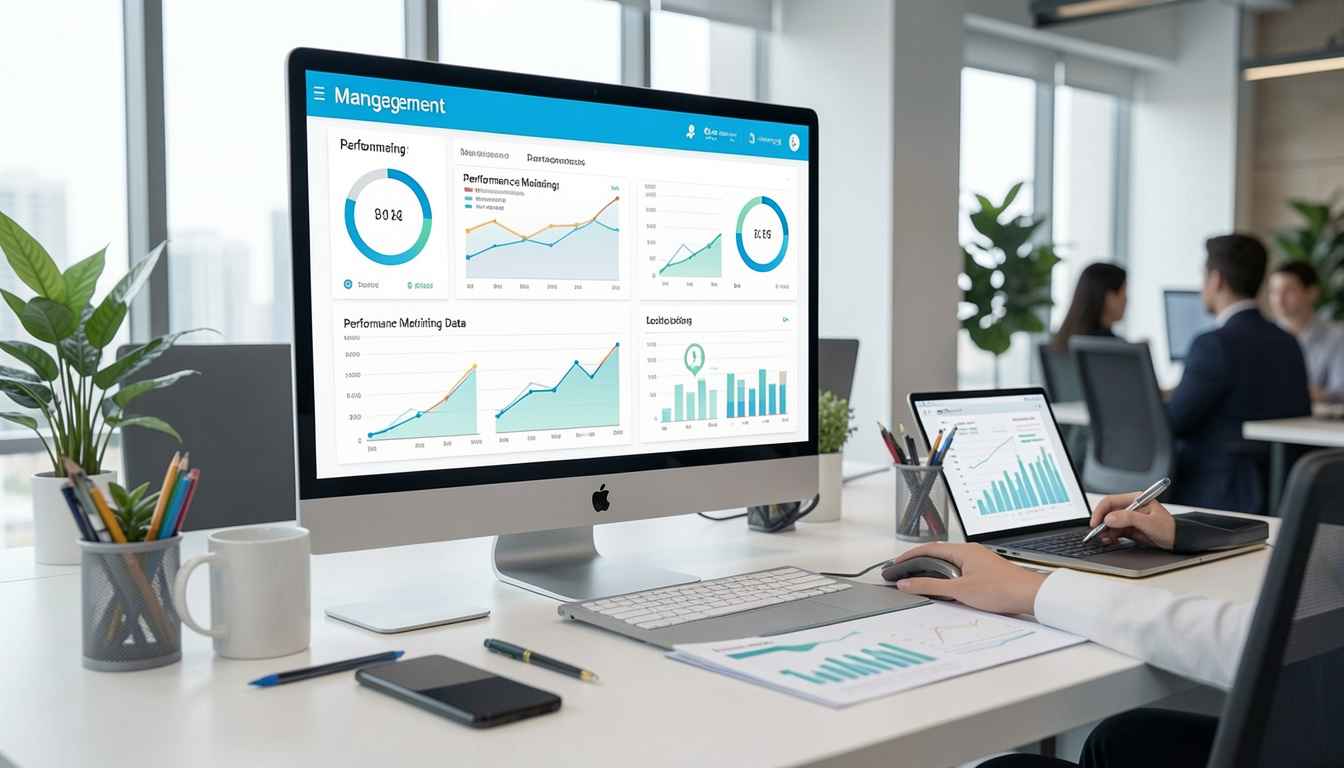
Dashboard
Users access reports, charts, and summaries through an easy-to-use interface.
Notifications
Many systems alert users whenever important events or changes occur.
Together, these components create an efficient tracking ecosystem.
Step-by-Step Overview of How It Operates
For beginners, the workflow can be understood in five simple steps.
Step 1: Data Collection
The system gathers relevant information automatically or manually.
Step 2: Processing
Collected information is organized into a structured format.
Step 3: Analysis
Algorithms examine the data to identify patterns and trends.
Step 4: Visualization
Results are displayed through charts, graphs, or reports.
Step 5: Decision-Making
Users interpret the information and take appropriate action.
This straightforward workflow allows users to make informed decisions based on accurate information.
Real-World Examples for Beginners
To better understand Tracqueur, consider these examples.
Business Operations
A company tracks employee performance, inventory levels, and project deadlines from one dashboard.
Marketing Campaigns
A digital marketer monitors website traffic, conversions, and campaign performance.
Project Management
A team leader follows task completion, deadlines, and overall project progress.
Education
Teachers monitor student participation and assignment completion.
These examples demonstrate how tracking systems simplify information management.
Key Features and Benefits of Tracqueur
Standout Features That Make Tracqueur Unique
Although features vary depending on the implementation, most Tracqueur solutions include several powerful capabilities.
Real-Time Tracking
Users receive updated information as events occur.
Centralized Dashboard
Important information is organized in one location.
Data Visualization
Charts and graphs simplify complex information.
Reporting Tools
Users can generate detailed performance reports.
Automation
Routine monitoring tasks require less manual effort.
Search and Filtering
Information can be located quickly using advanced filters.
Secure Data Management
Modern tracking systems prioritize data protection and user privacy.
Primary Advantages for Users
Using Tracqueur offers several practical benefits.
Improved Organization
Information remains structured and accessible.
Better Productivity
Automation reduces repetitive tasks.
Faster Decision-Making
Real-time insights help users respond quickly.
Greater Accuracy
Automated systems minimize human errors.
Enhanced Collaboration
Teams work more effectively when everyone has access to the same information.
Time Savings
Users spend less time collecting and organizing data manually.
These benefits make Tracqueur appealing for both individuals and organizations.
Common Use Cases and Practical Applications
Tracqueur can support numerous activities.
Some common applications include:
- Performance monitoring
- Workflow management
- Digital analytics
- Resource tracking
- Customer activity monitoring
- Task management
- Progress reporting
- Operational analysis
Its flexibility allows organizations to customize tracking according to their needs.
Potential Limitations to Keep in Mind
Despite its advantages, beginners should understand that no system is perfect.
Possible limitations include:
- Learning curves for advanced features.
- Initial setup may require planning.
- Large data sets may require additional resources.
- Users must maintain accurate data for reliable results.
- Overreliance on automation may reduce manual oversight.
Recognizing these challenges helps users develop realistic expectations.
Getting Started with Tracqueur
Essential Requirements Before Using Tracqueur
Before beginning, users should prepare several essentials.
Define Your Goals
Understand what you want to track and why.
Organize Your Information
Accurate input produces more reliable results.
Learn the Interface
Spend time becoming familiar with available tools.
Set Clear Tracking Rules
Consistency improves reporting quality.
Understand Basic Analytics
Learning simple performance metrics helps interpret results.
These preparations make implementation much smoother.
Best Practices for Beginners
Following best practices helps new users maximize success.
Start Small
Focus on a limited number of tracking objectives before expanding.
Review Reports Regularly
Frequent analysis identifies opportunities for improvement.
Maintain Data Accuracy
Incorrect information leads to misleading conclusions.
Customize Dashboards
Display only the information that matters most.
Continue Learning
As experience grows, explore more advanced features.
Common Mistakes to Avoid
Many beginners encounter similar challenges.
Avoid these mistakes:
- Tracking too much information at once.
- Ignoring data quality.
- Failing to review reports consistently.
- Overcomplicating workflows.
- Neglecting security settings.
- Not updating tracking configurations.
Avoiding these issues improves long-term success.
Tips for Maximizing Results
To get the most value from Tracqueur:
- Set measurable objectives.
- Review performance trends regularly.
- Use automation whenever appropriate.
- Keep dashboards organized.
- Learn from historical reports.
- Share insights with team members.
- Continuously optimize tracking strategies.
Consistent improvement produces better long-term outcomes.
Frequently Asked Questions About Tracqueur
Is Tracqueur Suitable for Beginners?
Yes. Most modern tracking systems are designed with user-friendly interfaces that allow beginners to learn gradually. Starting with basic features before exploring advanced capabilities is usually the most effective approach.
What Are Its Main Advantages and Challenges?
The biggest advantages include improved organization, better visibility, automation, enhanced productivity, and more informed decision-making.
Potential challenges include learning advanced functions, maintaining accurate information, and investing time during initial setup.
How Can Users Improve Their Experience?
Users can improve their experience by:
- Learning the basic features first.
- Keeping information organized.
- Reviewing reports consistently.
- Following best practices.
- Staying updated as new features become available.
- Continuously refining tracking methods.
Over time, experience naturally leads to better results.
Final Thoughts and Key Takeaways
Tracqueur represents a practical approach to tracking, monitoring, and organizing information in an increasingly digital world. Whether used for business operations, project management, analytics, or workflow monitoring, its core purpose remains the same: transforming raw information into meaningful insights.
For beginners, understanding the basic principles is the most important first step. Once users become familiar with data collection, monitoring, reporting, and analytics, they can begin using Tracqueur more effectively and confidently.
Like any modern tool, success depends not only on the technology itself but also on how it is implemented. Setting clear goals, maintaining accurate information, following best practices, and regularly reviewing performance can significantly improve outcomes.
As tracking technologies continue to evolve, learning the fundamentals of Tracqueur today provides a strong foundation for adapting to future innovations. By starting small, staying organized, and continuously improving your approach, you can unlock the full potential of Tracqueur and make better-informed decisions in both personal and professional settings.