
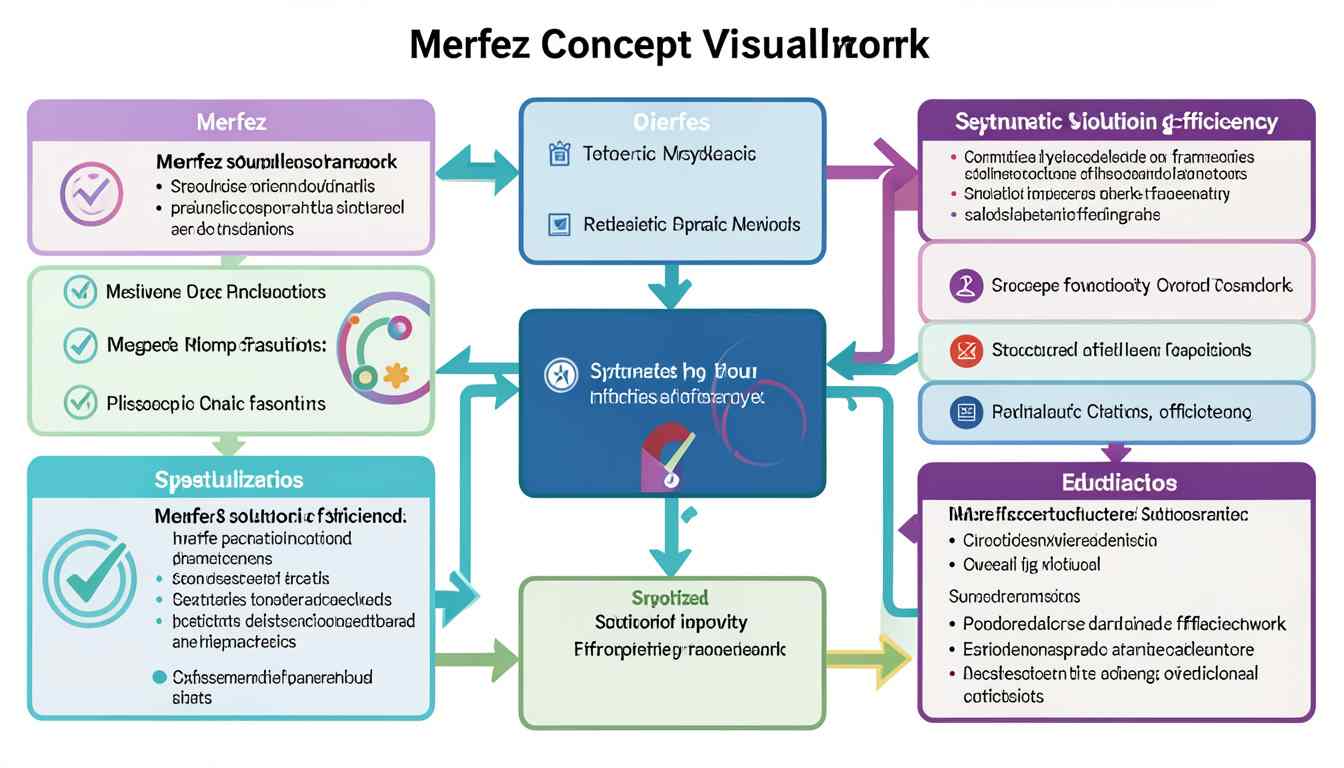
As new concepts, technologies, and systems continue to emerge across industries, terms like Merfez are attracting increasing attention from beginners and professionals alike. Whether you have recently encountered the term or are actively searching for information about it, understanding Merfez can help you gain valuable insights into its purpose, functionality, and potential applications.
For newcomers, the biggest challenge is often separating facts from assumptions. Many people hear about Merfez without fully understanding what it means, how it works, or why it matters. This guide is designed to provide a beginner-friendly introduction that explains the fundamentals, explores its core structure, highlights its unique features, and outlines practical ways to get started.
By the end of this article, you will have a solid understanding of Merfez and the confidence to continue exploring the topic in greater depth.
What Is Merfez? Understanding the Fundamentals
Definition and Meaning of Merfez
Merfez can be understood as a structured concept, framework, or system designed to organize, manage, or facilitate specific processes within a particular context. While the exact interpretation may vary depending on the field in which it is used, the underlying principle remains consistent: Merfez serves as a central mechanism that helps improve efficiency, coordination, and understanding.
At its core, Merfez represents an organized approach to handling information, operations, or interactions. Rather than relying on scattered methods or disconnected components, it provides a more unified structure that enables smoother functionality.
For beginners, it is helpful to think of Merfez as a central hub where different elements come together to achieve a common objective.
Why Merfez Is Attracting Attention
Several factors contribute to the growing interest in Merfez:
- Increasing demand for efficient systems and frameworks
- Greater focus on organization and optimization
- The need for scalable solutions in evolving environments
- Rising awareness among individuals and businesses
- Potential to simplify complex processes
As industries continue to embrace innovation, concepts like Merfez gain popularity because they offer practical solutions to modern challenges.
Key Concepts Every Beginner Should Know
Before diving deeper, beginners should understand several foundational ideas:
Centralization
Merfez often emphasizes bringing multiple functions or resources together within a single framework.
Coordination
The concept promotes effective communication and interaction among different components.
Efficiency
One of its primary goals is reducing unnecessary complexity and improving productivity.
Scalability
Many Merfez-based systems are designed to grow and adapt as needs change.
Accessibility
A well-designed Merfez framework allows users to interact with it more easily and effectively.
Common Misconceptions About Merfez
Many newcomers develop misunderstandings about Merfez due to limited information.
Misconception 1: Merfez Is Only for Experts
In reality, beginners can learn and apply its principles with proper guidance and practice.
Misconception 2: It Is Too Complex
Although some advanced applications may appear sophisticated, the fundamental concepts are often straightforward.
Misconception 3: It Has Limited Use
Merfez can often be adapted to various situations and industries, making it more versatile than many people assume.
Misconception 4: Results Are Immediate
Like any structured approach, understanding and implementing Merfez effectively requires time and continuous learning.
The Core Structure and Function of Merfez
How Merfez Works in Simple Terms
At a basic level, Merfez functions by creating a structured environment where resources, information, and processes can interact efficiently.
Imagine a central station where multiple routes converge. Instead of operating independently, all activities connect through a shared system that improves coordination and decision-making.
This simplified approach helps users understand how Merfez brings order to otherwise fragmented operations.
Main Components and Their Roles
Although implementations may differ, most Merfez frameworks include several key components.
Input Layer
This is where information, resources, or activities enter the system.
Processing Mechanism
The processing stage organizes, evaluates, and manages incoming elements.
Management Structure
This component oversees operations and ensures that processes remain aligned with established objectives.
Output Layer
Results, actions, or decisions are generated and delivered to users or connected systems.
Feedback System
Feedback allows continuous improvement by identifying strengths, weaknesses, and opportunities for optimization.
The Process Behind Its Operation
The operational cycle of Merfez generally follows these steps:
- Collection of information or resources
- Organization and categorization
- Processing and analysis
- Decision-making or execution
- Delivery of outcomes
- Evaluation and feedback
This cycle ensures consistency while supporting ongoing improvement.
Beginner-Friendly Examples
Example 1: Information Management
Imagine a company receiving information from multiple departments. A Merfez framework helps centralize and organize that information, making it easier to access and use.
Example 2: Project Coordination
A project team may use Merfez principles to coordinate tasks, track progress, and maintain communication among members.
Example 3: Resource Allocation
Organizations often need efficient methods for distributing resources. Merfez can provide a structured approach for making these decisions.
These examples demonstrate how the concept can be applied to real-world situations without requiring advanced technical knowledge.
Key Features That Make Merfez Unique
The value of learning Merfez lies not only in understanding a specific framework but also in developing a mindset focused on organization, optimization, and effective problem-solving. Whether you are a student, professional, entrepreneur, or simply curious about emerging concepts, gaining knowledge of Merfez can help you approach challenges more strategically and confidently.
Distinct Characteristics of Merfez
Several characteristics help distinguish Merfez from other approaches.
Structured Organization
Merfez emphasizes clear organization and logical workflows.
Centralized Coordination
Different activities can be managed through a unified framework.
Adaptability
The system can often be adjusted to meet changing requirements.
Consistency
Standardized processes help maintain reliability and predictability.
Continuous Improvement
Built-in feedback mechanisms support long-term enhancement.
Important Functions and Capabilities
Merfez offers several valuable functions:
- Managing information efficiently
- Supporting collaboration
- Improving workflow organization
- Enhancing communication
- Facilitating decision-making
- Monitoring performance
- Identifying areas for improvement
These capabilities contribute to its growing popularity across different sectors.
Advantages Compared to Similar Concepts or Systems
When compared to less structured methods, Merfez often provides notable advantages.
Better Organization
Information and activities are easier to manage.
Improved Visibility
Users gain clearer insights into processes and outcomes.
Reduced Complexity
Structured workflows minimize confusion and inefficiencies.
Enhanced Collaboration
Participants can work together more effectively.
Greater Scalability
The framework can accommodate growth and evolving needs.
What Sets Merfez Apart for New Users
For beginners, one of the most appealing aspects of Merfez is its emphasis on clarity and structure.
Instead of requiring users to navigate disconnected systems or processes, it creates a unified environment where information and activities are easier to understand.
This makes learning and implementation more approachable while still offering room for advanced development.
Practical Applications and Benefits of Merfez
Real-World Uses of Merfez
Merfez principles can often be applied across a wide range of environments.
Business Operations
Organizations may use Merfez to streamline workflows, improve communication, and coordinate activities.
Education
Educational institutions can leverage structured frameworks to manage resources and learning processes.
Technology
Technology-driven environments often benefit from centralized management systems inspired by Merfez concepts.
Project Management
Teams use organized frameworks to monitor progress, assign responsibilities, and achieve objectives more efficiently.
Research and Development
Researchers can utilize structured systems to organize data, collaborate effectively, and track outcomes.
Who Can Benefit From Understanding It
Merfez is valuable for various groups, including:
- Students
- Professionals
- Entrepreneurs
- Managers
- Researchers
- Technology enthusiasts
- Organizational leaders
Anyone seeking improved organization and efficiency can benefit from learning its principles.
Major Advantages and Opportunities
Increased Productivity
Well-organized systems help reduce wasted effort and improve performance.
Better Decision-Making
Centralized information enables more informed choices.
Stronger Collaboration
Teams can communicate and coordinate more effectively.
Improved Resource Management
Resources can be allocated more strategically.
Long-Term Growth
Structured frameworks often support sustainable development and expansion.
Potential Limitations Beginners Should Be Aware Of
While Merfez offers many advantages, it is important to understand potential challenges.
Learning Curve
New users may need time to understand the framework fully.
Initial Setup Requirements
Implementing structured systems often requires planning and preparation.
Adaptation Challenges
Organizations and individuals may need to adjust existing processes.
Ongoing Maintenance
Regular evaluation and updates are necessary to maintain effectiveness.
Recognizing these limitations helps create realistic expectations and improves the likelihood of success.
Getting Started With Merfez: A Beginner’s Roadmap
Essential Steps to Begin Learning Merfez
Beginners can follow a straightforward roadmap to build their understanding.
Step 1: Learn the Fundamentals
Start by familiarizing yourself with the core concepts, terminology, and principles.
Step 2: Study Real-World Examples
Observing practical applications helps transform theory into understanding.
Step 3: Identify Relevant Use Cases
Consider how Merfez principles apply to your personal, educational, or professional goals.
Step 4: Practice Implementation
Begin applying basic concepts within small projects or scenarios.
Step 5: Evaluate Results
Review outcomes and identify opportunities for improvement.
Step 6: Continue Expanding Knowledge
Learning should be an ongoing process as the field evolves.
Useful Resources and Learning Strategies
Educational Content
Books, articles, guides, and tutorials provide foundational knowledge.
Online Courses
Structured learning programs offer step-by-step instruction.
Professional Communities
Engaging with experts and peers can accelerate learning.
Case Studies
Analyzing successful implementations provides practical insights.
Hands-On Experience
Applying concepts directly often leads to deeper understanding.
Common Mistakes to Avoid
Skipping the Basics
Many beginners rush into advanced topics without mastering foundational concepts.
Overcomplicating Processes
Simple solutions are often more effective than unnecessarily complex approaches.
Ignoring Feedback
Continuous improvement depends on learning from results and experiences.
Focusing Only on Theory
Practical application is essential for developing real competence.
Expecting Instant Expertise
Mastery requires consistent learning and gradual progress.
Future Trends and What to Expect From Merfez
As organizations increasingly prioritize efficiency and innovation, interest in structured frameworks like Merfez is likely to continue growing.
Several trends may shape its future:
- Greater integration with digital technologies
- Increased automation of routine processes
- Enhanced data-driven decision-making
- Improved collaboration tools
- More scalable and adaptable frameworks
- Wider adoption across industries
These developments suggest that understanding Merfez could become increasingly valuable in the years ahead.
Conclusion
Merfez is a concept that emphasizes structure, coordination, efficiency, and continuous improvement. For beginners, understanding its fundamentals provides a strong foundation for exploring more advanced applications and opportunities.
Throughout this guide, we examined what Merfez is, how it works, its core components, unique features, practical benefits, and the steps required to begin learning it. We also discussed common misconceptions, real-world applications, and future trends that may influence its development.
As you continue your journey, focus on building a strong foundation, exploring practical examples, and applying what you learn in real-world situations. With consistent effort and curiosity, you can deepen your understanding of Merfez and unlock its full potential.