
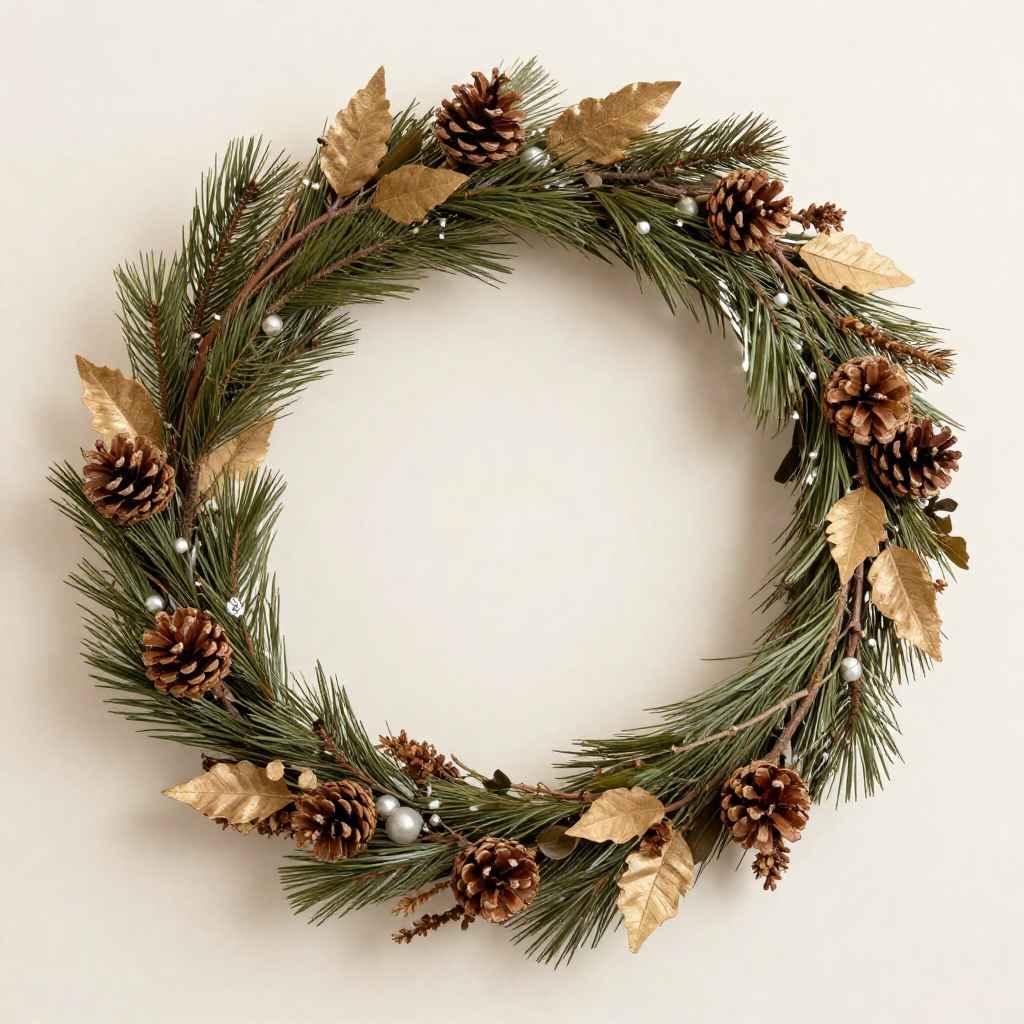
Home décor trends continue to evolve, but one design element that has gained significant popularity in recent years is pyntekvister. Whether used in modern minimalist interiors, rustic farmhouse settings, or elegant event decorations, pyntekvister offer a simple yet stylish way to bring natural beauty into a space.
Many people come across the term and wonder what it means, how it is used, and why it has become a favorite among interior designers and homeowners. The appeal of pyntekvister lies in their versatility, affordability, and ability to create visual interest without overwhelming a room.
This guide explores everything beginners need to know about pyntekvister, including their purpose, different types, benefits, styling ideas, maintenance tips, and practical decorating advice.
1. Understanding Pyntekvister: Meaning, Purpose, and Growing Popularity
What Pyntekvister Are and What the Term Means
The word pyntekvister originates from Scandinavian design culture and generally refers to decorative branches, twigs, or ornamental stems used for interior decoration. These decorative elements may be natural, preserved, or artificial and are often arranged in vases, wall displays, or decorative installations.
Pyntekvister serve as artistic accents that add texture, height, and visual balance to indoor and outdoor spaces. Their simple appearance aligns perfectly with modern design principles that emphasize natural materials and understated elegance.
The Role of Pyntekvister in Modern and Traditional Décor
Pyntekvister have become popular because they fit seamlessly into various decorating styles. In modern interiors, they provide organic contrast to clean lines and minimalist furniture. In traditional settings, they add warmth and natural charm.
Decorators frequently use pyntekvister to:
- Create focal points
- Add vertical dimension to rooms
- Introduce natural textures
- Fill empty corners elegantly
- Enhance seasonal displays
Their flexibility allows them to complement nearly any design aesthetic.
Why Homeowners and Decorators Use Pyntekvister
There are several reasons why pyntekvister continue to grow in popularity:
- They create a sophisticated look with minimal effort.
- They work well in small and large spaces.
- They can be customized for different seasons.
- They are often more affordable than large decorative pieces.
- They bring nature-inspired beauty indoors.
Unlike many decorative accessories that follow short-lived trends, pyntekvister offer timeless appeal.
Key Characteristics That Make Pyntekvister Unique
Several features distinguish pyntekvister from other decorative items:
Natural Appearance
They mimic the beauty of branches, trees, and organic forms.
Versatility
They can be styled in countless ways across different environments.
Texture and Dimension
Their branching structure adds depth and movement to a room.
Adaptability
They can be painted, decorated, or combined with flowers and ornaments.
Long-Term Use
Many artificial or preserved versions last for years.
Common Places Where Pyntekvister Are Displayed
Pyntekvister can be found in numerous locations, including:
- Living rooms
- Entryways
- Dining tables
- Office spaces
- Hotel lobbies
- Wedding venues
- Retail stores
- Event centers
Their ability to enhance almost any environment makes them a preferred decorative choice.
2. Types of Pyntekvister and Their Decorative Uses
Natural vs. Artificial Pyntekvister
The two primary categories of pyntekvister are natural and artificial.
Natural Pyntekvister
Natural branches are collected from trees and plants and then prepared for decorative use.
Advantages include:
- Authentic appearance
- Unique shapes and textures
- Eco-friendly appeal
However, they may require occasional replacement and can be more delicate.
Artificial Pyntekvister
Artificial versions are manufactured using materials such as plastic, silk, resin, or metal.
Advantages include:
- Long-lasting durability
- Easy maintenance
- Consistent appearance
- Suitable for year-round use
Many high-quality artificial pyntekvister look remarkably realistic.
Popular Styles, Colors, and Designs Available
Pyntekvister come in a wide variety of styles.
Minimalist Branches
Simple branches with clean lines suit modern interiors.
Decorative Blossom Branches
Branches featuring flowers add softness and color.
Rustic Wooden Branches
Perfect for farmhouse and countryside décor.
Metallic Pyntekvister
Gold, silver, and bronze finishes create a luxurious appearance.
Seasonal Branches
Designed specifically for holidays and seasonal decorating themes.
Common colors include:
- White
- Brown
- Green
- Black
- Gold
- Silver
- Soft pastel shades
Seasonal and Year-Round Pyntekvister Options
Many homeowners change their pyntekvister displays throughout the year.
Spring
Cherry blossoms and flowering branches.
Summer
Green leafy branches and fresh botanical designs.
Autumn
Branches decorated with warm earth tones and foliage.
Winter
Bare branches adorned with lights, ornaments, or frosted finishes.
Year-round styles usually feature neutral colors and simple designs that work in every season.
How Different Materials Affect Appearance and Durability
Material selection significantly influences both appearance and longevity.
Wood
Provides natural texture and rustic charm.
Silk
Creates realistic flowers and leaves.
Plastic
Offers durability and affordability.
Metal
Adds a modern and sophisticated aesthetic.
Preserved Natural Materials
Maintain a natural look while lasting longer than untreated branches.
Choosing the Right Pyntekvister for Various Interior Themes
Different décor themes pair best with specific types of pyntekvister.
Scandinavian Style
Simple natural branches in neutral tones.
Modern Style
Minimalist designs with clean lines.
Rustic Style
Weathered wood branches and earthy colors.
Luxury Interiors
Metallic finishes and decorative embellishments.
Bohemian Spaces
Organic shapes combined with dried flowers and greenery.
Selecting the right style ensures harmony throughout the room.
3. Benefits of Using Pyntekvister in Home and Event Decoration
Enhancing Visual Appeal Without Major Renovations
One of the biggest advantages of pyntekvister is their ability to transform a space instantly.
A strategically placed arrangement can:
- Add height
- Fill empty areas
- Introduce texture
- Create focal points
All of this can be achieved without investing in expensive remodeling projects.
Creating a Natural and Elegant Atmosphere
Nature-inspired design remains one of the strongest trends in interior decorating.
Pyntekvister help create:
- Calm environments
- Welcoming interiors
- Balanced aesthetics
- Organic visual flow
Their natural forms bring a sense of tranquility to any room.
Low-Maintenance Decorating Solutions
Unlike fresh flowers that require regular replacement, many pyntekvister need very little upkeep.
Benefits include:
- No watering
- Minimal cleaning
- Long-lasting beauty
- Reduced maintenance costs
This makes them ideal for busy households and commercial spaces.
Versatility for Homes, Offices, and Special Occasions
Pyntekvister are not limited to residential use.
They are frequently used in:
- Corporate offices
- Hotels
- Restaurants
- Weddings
- Trade shows
- Event venues
Their versatility makes them suitable for virtually any decorative purpose.
Cost-Effective Ways to Refresh Interior Spaces
Redecorating a room can be expensive, but pyntekvister offer an affordable alternative.
Simple updates may include:
- Changing vase styles
- Adding decorative lights
- Incorporating seasonal ornaments
- Rearranging branch displays
These small changes can create a fresh appearance without major spending.
4. How to Choose, Style, and Maintain Pyntekvister
Factors to Consider Before Buying Pyntekvister
Before purchasing pyntekvister, consider several important factors.
Room Size
Large spaces often require taller arrangements, while smaller rooms benefit from compact displays.
Color Scheme
Choose colors that complement existing décor.
Purpose
Determine whether the arrangement will be seasonal or permanent.
Material
Select natural, preserved, or artificial options based on maintenance preferences.
Budget
Prices vary significantly depending on quality and design complexity.
Matching Pyntekvister with Furniture and Décor Styles
Successful decorating depends on achieving visual harmony.
Neutral Interiors
Natural branches blend beautifully with soft color palettes.
Contemporary Rooms
Black, white, or metallic pyntekvister create modern elegance.
Traditional Spaces
Warm wood tones complement classic furniture.
Industrial Designs
Metal branches pair well with exposed brick and steel elements.
Creative Arrangement and Display Ideas
There are countless ways to style pyntekvister.
Floor Vases
Tall branches create dramatic vertical displays.
Table Centerpieces
Smaller arrangements enhance dining and coffee tables.
Wall Installations
Decorative branches can be mounted as artistic features.
Seasonal Displays
Add ornaments, lights, or flowers to reflect the season.
Entryway Decorations
Welcome guests with striking branch arrangements near entrances.
Cleaning and Maintenance Tips for Long-Lasting Beauty
Proper maintenance helps preserve appearance and durability.
Dust Regularly
Use a soft cloth or feather duster.
Avoid Direct Sunlight
Excessive exposure may fade colors over time.
Handle Carefully
Delicate branches can break if handled roughly.
Store Seasonal Pieces Properly
Keep them in protective containers during off-seasons.
Check for Damage
Inspect periodically for loose decorations or worn materials.
Common Mistakes to Avoid When Decorating with Pyntekvister
Avoid these common decorating errors:
- Using arrangements that are too large for the space
- Overcrowding displays with excessive decorations
- Ignoring room color balance
- Choosing low-quality materials
- Neglecting regular cleaning
Simple, balanced arrangements often create the strongest visual impact.
5. Beginner’s Guide to Decorating with Pyntekvister
Simple Decorating Ideas Anyone Can Try
Beginners can start with easy decorating projects.
Ideas include:
- Placing branches in a clear glass vase
- Creating seasonal centerpieces
- Decorating shelves with small branch arrangements
- Using illuminated branches as accent lighting
- Styling entry tables with decorative stems
These projects require minimal effort while delivering impressive results.
DIY Inspiration Using Pyntekvister
Creative homeowners often personalize their pyntekvister.
DIY ideas include:
- Painting branches metallic colors
- Adding fairy lights
- Hanging decorative ornaments
- Combining branches with dried flowers
- Creating custom wall art
DIY projects allow decorators to create unique pieces that reflect personal style.
Trends Shaping Modern Pyntekvister Décor
Several design trends are influencing the popularity of pyntekvister.
Sustainable Decorating
Eco-conscious consumers favor natural and reusable decorative elements.
Scandinavian Minimalism
Clean and simple branch arrangements remain highly popular.
Nature-Inspired Interiors
Biophilic design continues to encourage the use of natural materials.
Mixed Materials
Combining wood, metal, glass, and textiles creates visual interest.
Seasonal Personalization
Flexible displays that change throughout the year remain in demand.
Where to Find Quality Pyntekvister
Quality pyntekvister can be found through:
- Home décor stores
- Garden centers
- Craft retailers
- Online marketplaces
- Specialty Scandinavian décor shops
- Local artisan workshops
Comparing materials, craftsmanship, and customer reviews helps ensure a worthwhile purchase.
Final Tips for Achieving a Stylish and Balanced Look
For the best results:
- Keep arrangements proportional to the room size.
- Use odd-numbered branch groupings for natural balance.
- Coordinate colors with existing décor.
- Avoid excessive accessories.
- Focus on simplicity and elegance.
Remember that pyntekvister are designed to enhance a space rather than dominate it.
Conclusion
Pyntekvister are a versatile and elegant decorative element that can transform almost any space. Whether crafted from natural branches, preserved materials, or high-quality artificial stems, they offer an easy way to introduce texture, height, and natural beauty into interiors.
Their growing popularity stems from their flexibility, affordability, and ability to complement a wide range of decorating styles. From minimalist Scandinavian homes to luxurious event venues, pyntekvister continue to prove that simple design elements can make a powerful visual impact.
For beginners, starting with a few carefully selected branches and experimenting with different arrangements is often the best way to discover the decorative possibilities that pyntekvister provide.
FAQs
What are pyntekvister used for?
Pyntekvister are primarily used for decorative purposes in homes, offices, events, and commercial spaces. They add texture, height, and natural beauty to interior designs.
Are pyntekvister made from real branches or artificial materials?
They can be made from both. Some are crafted from real preserved branches, while others are manufactured using materials such as plastic, silk, metal, or resin.
How do I decorate my home with pyntekvister?
You can place them in floor vases, use them as table centerpieces, create wall displays, decorate shelves, or incorporate seasonal ornaments and lighting.
Can pyntekvister be used outdoors?
Yes. Certain natural and weather-resistant artificial pyntekvister are suitable for outdoor use. Always check product specifications before placing them outdoors.
How do I clean and maintain pyntekvister?
Dust them regularly, avoid prolonged direct sunlight, store seasonal pieces properly, and inspect them periodically for damage to maintain their appearance.
What styles of pyntekvister are most popular today?
Popular styles include minimalist Scandinavian branches, flowering decorative stems, rustic wooden branches, metallic designs, and seasonal decorative arrangements.