
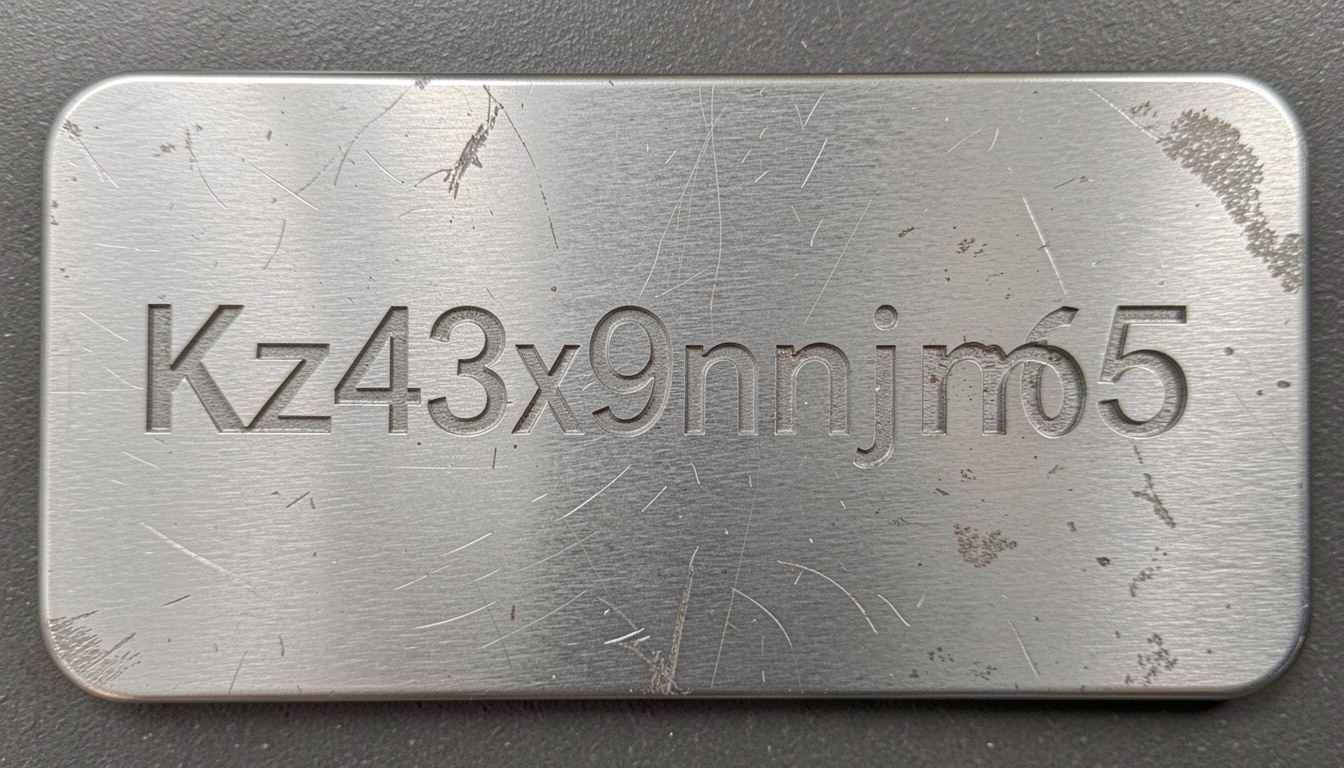
In today’s digital world, strange-looking codes and identifiers appear everywhere. You may encounter them in URLs, databases, software systems, tracking records, authentication processes, or application logs. One such example is kz43x9nnjm65, a machine-generated alphanumeric identifier that has attracted attention due to its unusual appearance.
Although it may look mysterious at first glance, kz43x9nnjm65 is not a secret code, product name, or hidden message. Instead, it represents a type of unique identifier commonly used by digital systems to distinguish one record, session, transaction, or process from another. Similar identifiers are essential for organizing information, maintaining security, and ensuring smooth system operations.
This guide explains what kz43x9nnjm65 is, how it works, where it is used, and why understanding it can help beginners gain a deeper appreciation of modern technology.
Understanding kz43x9nnjm65: Meaning, Purpose, and Key Basics
What Is kz43x9nnjm65?
kz43x9nnjm65 is a machine-generated alphanumeric identifier. It consists of a combination of letters and numbers that together create a unique reference value. Unlike human-readable names, identifiers such as this are designed primarily for computers and software systems rather than people.
Its main purpose is to uniquely identify a specific object, record, user session, transaction, event, or digital asset within a system.
Why Is kz43x9nnjm65 Gaining Attention?
Many users encounter identifiers like kz43x9nnjm65 in unexpected places, including:
- URLs
- Error messages
- Application logs
- Download links
- Database exports
- Tracking systems
Because the identifier appears random and lacks obvious meaning, people often search for explanations. Its unusual appearance naturally creates curiosity and speculation.
Possible Meanings and Interpretations
Unlike brand names or product titles, kz43x9nnjm65 has no universal meaning. Depending on the system that generated it, it may represent:
- A session token
- A transaction reference
- A database record
- A tracking code
- A file identifier
- An authentication token
- A temporary process ID
Its significance comes from its role within a specific system rather than the characters themselves.
Key Characteristics of kz43x9nnjm65
Several characteristics make identifiers like kz43x9nnjm65 useful:
- Uniqueness
- Scalability
- Machine readability
- Easy storage and retrieval
- Reduced risk of duplication
- Compatibility across systems
These features allow software platforms to manage millions or even billions of records efficiently.
Why Beginners Should Understand kz43x9nnjm65
Learning about identifiers helps beginners understand how modern software operates behind the scenes. Many digital services depend on unique identifiers to:
- Organize information
- Track user activity
- Secure transactions
- Connect databases
- Manage system resources
Without identifiers, digital systems would struggle to distinguish one item from another accurately.
How kz43x9nnjm65 Works and Its Core Components
The Basic Structure Behind kz43x9nnjm65
At first glance, kz43x9nnjm65 appears random. However, its structure follows common principles used in identifier generation.
The identifier contains:
- Lowercase alphabetic characters
- Numeric digits
- A fixed length
- No spaces or special symbols
This combination increases the number of possible unique values while keeping the identifier compact and efficient.
Essential Elements That Support Its Functionality
Several components contribute to the effectiveness of machine-generated identifiers:
Randomness
Random character selection reduces duplication and improves uniqueness.
Length
A sufficient number of characters creates millions or billions of possible combinations.
Consistency
Identifiers follow predictable formatting rules that software can easily process.
Storage Compatibility
Simple alphanumeric formats work well across databases, APIs, and operating systems.
How Different Components Interact
When a system generates an identifier such as kz43x9nnjm65, several processes typically occur:
- A unique value is created.
- The value is assigned to an object or record.
- The system stores the identifier in a database.
- Applications use the identifier for retrieval and tracking.
- Related systems reference the same identifier when exchanging information.
This process ensures consistency throughout the lifecycle of the associated record.
Common Processes Involved in kz43x9nnjm65
Identifiers often support:
Session Management
Websites assign temporary identifiers to maintain user sessions.
Database Organization
Records receive unique identifiers for efficient storage and retrieval.
Transaction Tracking
Online purchases and payments often use unique reference numbers.
Error Monitoring
Developers use identifiers to trace specific events and system issues.
API Communication
Applications exchange identifiers when sharing information between systems.
Factors That Influence Performance and Effectiveness
Several factors determine how effective an identifier system becomes:
- Generation method
- Identifier length
- Character variety
- Collision prevention mechanisms
- Database indexing strategies
- Security requirements
Well-designed identifiers balance uniqueness, speed, and storage efficiency.
Applications and Benefits of kz43x9nnjm65
Industries and Fields Where kz43x9nnjm65 Is Used
Identifiers similar to kz43x9nnjm65 are widely used across numerous industries.
Information Technology
Software platforms rely on identifiers for user accounts, sessions, and databases.
E-Commerce
Online stores track orders, products, and transactions using unique codes.
Finance
Banks and payment processors assign identifiers to financial transactions.
Healthcare
Medical systems use identifiers to organize patient records securely.
Logistics
Shipping companies track packages through unique reference numbers.
Telecommunications
Networks use identifiers to manage devices and connections.
Practical Examples of Real-World Applications
A few common examples include:
- Customer account IDs
- Support ticket numbers
- Cloud storage references
- Software license keys
- Authentication tokens
- Shipment tracking numbers
- Database primary keys
Although users rarely notice them, these identifiers support countless digital operations every day.
Major Benefits for Individuals and Organizations
Improved Accuracy
Unique identifiers eliminate confusion between similar records.
Faster Data Retrieval
Systems can quickly locate information using indexed identifiers.
Better Security
Identifiers help separate sensitive information from publicly visible data.
Easier Integration
Multiple systems can communicate effectively using shared identifiers.
Enhanced Scalability
Organizations can manage massive amounts of data without conflicts.
How kz43x9nnjm65 Improves Efficiency and Outcomes
Efficiency improves because systems spend less time searching for records. Instead of comparing multiple fields, databases can use a single identifier to locate information instantly.
This results in:
- Faster applications
- Reduced errors
- Better reporting
- Improved customer experiences
- More reliable automation
Reasons for Its Growing Popularity
The expansion of cloud computing, big data, artificial intelligence, and digital services has increased the need for reliable identifiers.
As organizations generate more information than ever before, unique identifiers become increasingly important for maintaining order and efficiency.
Getting Started with kz43x9nnjm65
Important Requirements Before Using kz43x9nnjm65
Before implementing identifiers, organizations should consider:
- Database structure
- Security requirements
- Data volume
- Integration needs
- Compliance regulations
Planning these factors early helps avoid future complications.
Step-by-Step Approach for Beginners
Step 1: Understand the Purpose
Determine why identifiers are needed and what they will represent.
Step 2: Choose a Generation Method
Options may include:
- Random generation
- Sequential numbering
- Hash-based generation
- UUID systems
Step 3: Define Formatting Rules
Establish standards for length and character usage.
Step 4: Implement Storage
Create database fields capable of storing identifiers efficiently.
Step 5: Test Uniqueness
Verify that duplicate identifiers cannot occur.
Step 6: Monitor Performance
Track how identifiers affect system speed and scalability.
Best Practices for Successful Implementation
To maximize effectiveness:
- Use sufficient character length
- Avoid predictable patterns
- Store identifiers securely
- Create backup validation methods
- Maintain consistent formatting
- Document identifier standards
These practices help ensure long-term reliability.
Common Mistakes to Avoid
Beginners often make several mistakes:
Using Short Identifiers
Short codes increase the risk of duplication.
Ignoring Security
Predictable identifiers may expose systems to attacks.
Poor Documentation
Undocumented identifier systems become difficult to maintain.
Lack of Testing
Insufficient testing can lead to collisions and data errors.
Overcomplicated Structures
Excessive complexity may reduce performance without adding value.
Helpful Tools and Resources
Useful technologies include:
- UUID generators
- Database management systems
- Cryptographic libraries
- API development platforms
- Monitoring and logging tools
These resources simplify identifier generation and management.
Future Trends and Frequently Asked Questions About kz43x9nnjm65
Emerging Developments and Innovations
Several trends are shaping the future of digital identifiers:
Artificial Intelligence Integration
AI systems increasingly rely on identifiers to track data and model outputs.
Distributed Systems
Cloud-native applications require identifiers that work across multiple environments.
Blockchain Technology
Decentralized systems depend heavily on unique identifiers for transactions and assets.
Advanced Security
Future identifiers may incorporate stronger cryptographic protections.
Challenges and Opportunities
Despite their usefulness, identifiers present challenges:
- Data privacy concerns
- Cross-platform compatibility
- Long-term scalability
- Security management
However, these challenges also create opportunities for innovation and improved system design.
Expert Insights on the Future of kz43x9nnjm65
Experts generally agree that unique identifiers will remain fundamental to digital infrastructure. As data volumes continue growing, organizations will depend even more heavily on reliable identification systems to maintain performance and security.
Frequently Asked Questions
Is kz43x9nnjm65 a virus?
No. An identifier by itself is not malware. It is simply a string of characters used for identification purposes.
Does kz43x9nnjm65 have a hidden meaning?
Not necessarily. Most machine-generated identifiers are designed for uniqueness rather than human interpretation.
Why does kz43x9nnjm65 look random?
Random-looking structures help reduce duplication and improve security.
Can two systems generate the same identifier?
Well-designed systems use algorithms that make duplication extremely unlikely.
Is kz43x9nnjm65 important?
The specific identifier may not be important, but the concept of unique identifiers is essential to modern computing.
Where might I encounter kz43x9nnjm65?
You may see similar identifiers in URLs, databases, software logs, authentication systems, cloud services, and transaction records.
Final Thoughts
Although kz43x9nnjm65 appears mysterious, it is best understood as a machine-generated alphanumeric identifier designed to help digital systems organize, track, and manage information efficiently. Similar identifiers operate behind the scenes in websites, databases, cloud platforms, financial systems, and countless other technologies.
Understanding how identifiers work provides valuable insight into the foundations of modern computing. For beginners, learning about concepts like kz43x9nnjm65 reveals how digital systems maintain accuracy, security, and scalability in an increasingly connected world. While the identifier itself may have no special meaning, the technology and principles behind it play a crucial role in virtually every digital experience we encounter today.