
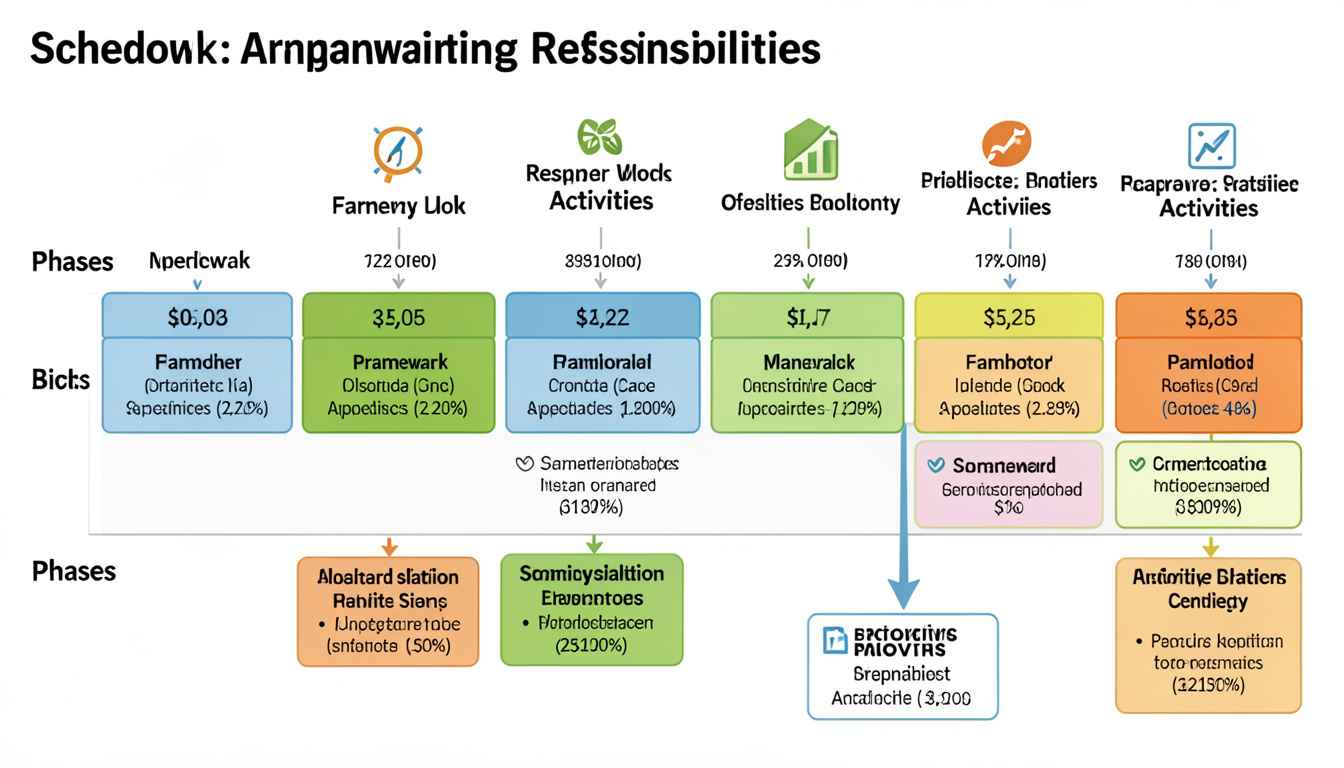
Managing time effectively has become one of the most important skills in today’s fast-paced world. Whether you are a student, business professional, freelancer, or entrepreneur, staying organized can significantly improve productivity and reduce stress. One concept that has gained attention in discussions about planning and organization is the schedow.
While the term may be unfamiliar to some people, understanding what a schedow is and how it works can help individuals and organizations manage tasks, deadlines, and responsibilities more efficiently. This guide explores the meaning, purpose, benefits, types, and best practices of using a schedow, making it easy for beginners to understand and apply.
Understanding Schedow
What Is a Schedow?
A schedow can be understood as a structured system or framework used to organize tasks, activities, events, or responsibilities according to a planned timeline. It serves as a guide that helps individuals and teams determine what needs to be done, when it should be completed, and how different activities fit together.
At its core, a schedow functions as a planning and coordination tool. It provides clarity by outlining tasks and assigning them to specific periods, making it easier to manage time and resources effectively.
The Purpose and Role of Schedow in Modern Workflows
Modern life involves managing multiple responsibilities simultaneously. From attending meetings and completing projects to balancing personal commitments, people often struggle to keep everything organized.
A schedow addresses this challenge by:
- Creating a clear structure for tasks and activities
- Helping users allocate time efficiently
- Improving coordination among team members
- Supporting goal achievement through organized planning
- Reducing uncertainty and confusion
Whether used in a workplace, educational setting, or personal environment, a schedow acts as a roadmap for accomplishing objectives.
Why People Are Becoming Interested in Schedow
Interest in schedow systems has increased due to growing demands on productivity and efficiency. As remote work, digital collaboration, and flexible schedules become more common, individuals need reliable methods for organizing their time.
Several factors contribute to the popularity of schedow systems:
- Increased workload management needs
- Growth of digital productivity tools
- Greater emphasis on time optimization
- Rising awareness of work-life balance
- Demand for better project coordination
People recognize that effective planning can improve performance while reducing stress.
Key Features That Distinguish Schedow from Similar Concepts
Although a schedow shares similarities with calendars, planners, and task lists, it typically offers a more comprehensive approach to organization.
Key characteristics include:
- Structured timelines
- Task prioritization
- Progress tracking
- Resource allocation
- Deadline management
- Goal-oriented planning
Unlike simple to-do lists, a schedow emphasizes both timing and execution, ensuring tasks are completed within a defined framework.
Common Situations Where Schedow Is Used
Schedow systems are useful across many areas of life, including:
- Academic planning
- Business operations
- Project management
- Event organization
- Personal goal tracking
- Team collaboration
Their flexibility makes them suitable for both simple and complex planning needs.
How Schedow Works and Its Core Components
The Fundamental Principles Behind Schedow
The effectiveness of a schedow relies on several core principles:
- Organization
- Prioritization
- Time allocation
- Monitoring
- Continuous improvement
Together, these principles create a framework that helps users stay focused and productive.
Main Elements That Make a Schedow Effective
A successful schedow typically contains several essential components.
Goals and Objectives
Every schedow begins with clearly defined goals. Understanding what needs to be achieved provides direction and purpose.
Tasks and Activities
Tasks represent the actions required to accomplish goals. Breaking larger objectives into smaller tasks makes them easier to manage.
Time Frames
Assigning specific dates and times helps ensure tasks are completed according to plan.
Priorities
Not all tasks are equally important. Prioritization helps users focus on high-value activities first.
Progress Indicators
Tracking progress allows users to monitor performance and make adjustments when necessary.
How Schedow Helps with Organization and Planning
A schedow transforms broad goals into manageable actions. Instead of approaching tasks randomly, users follow a structured sequence that improves efficiency.
Benefits include:
- Better visibility into upcoming responsibilities
- Improved coordination of activities
- Reduced risk of overlooked tasks
- More effective use of available time
By creating order, a schedow helps individuals stay in control of their schedules.
The Process of Creating and Managing a Schedow
Developing a schedow generally involves the following steps:
Step 1: Define Objectives
Identify the goals you want to achieve.
Step 2: List Tasks
Break goals into actionable tasks.
Step 3: Estimate Time Requirements
Determine how much time each task will require.
Step 4: Assign Deadlines
Establish realistic completion dates.
Step 5: Organize Priorities
Arrange tasks according to importance and urgency.
Step 6: Monitor Progress
Regularly review performance and make adjustments.
This systematic approach increases the likelihood of successful outcomes.
Common Tools and Methods Associated with Schedow
Many tools can support schedow management, including:
- Paper planners
- Digital calendars
- Project management software
- Task management applications
- Spreadsheet systems
- Collaboration platforms
The choice depends on individual preferences and requirements.
Benefits of Using a Schedow
Improving Productivity and Time Management
One of the most significant benefits of a schedow is increased productivity.
When tasks are clearly organized, users spend less time deciding what to do next and more time completing meaningful work.
Productivity improvements often result from:
- Better planning
- Reduced procrastination
- Clear task visibility
- Efficient use of available hours
Enhancing Task Tracking and Accountability
A schedow provides a clear record of responsibilities and deadlines.
This visibility encourages accountability by helping individuals and teams understand:
- What must be completed
- Who is responsible
- When tasks are due
- How progress is measured
Accountability often leads to improved performance and reliability.
Reducing Confusion and Missed Deadlines
Without a structured system, important tasks can easily be forgotten.
A schedow minimizes this risk by:
- Centralizing information
- Providing reminders
- Organizing priorities
- Highlighting approaching deadlines
As a result, users experience fewer scheduling conflicts and missed commitments.
Supporting Better Decision-Making and Prioritization
Decision-making becomes easier when responsibilities are clearly organized.
A schedow helps users:
- Evaluate workload realistically
- Identify high-priority tasks
- Allocate resources effectively
- Make informed planning decisions
These capabilities contribute to stronger overall performance.
Long-Term Advantages for Personal and Professional Use
Over time, consistent schedow usage can produce lasting benefits such as:
- Improved discipline
- Stronger organizational skills
- Enhanced productivity habits
- Greater reliability
- Better goal achievement
These advantages can positively impact careers, education, and personal development.
Different Types of Schedow and Their Applications
Popular Forms and Variations of Schedow
Schedow systems come in many forms to accommodate different needs and preferences.
Common variations include:
- Daily schedows
- Weekly schedows
- Monthly schedows
- Project-based schedows
- Team schedows
- Academic schedows
Each format serves a specific purpose and level of complexity.
Personal, Educational, and Business-Related Uses
Personal Applications
Individuals use schedows to manage:
- Household responsibilities
- Fitness goals
- Personal projects
- Appointments
- Financial planning
Educational Applications
Students and educators rely on schedows for:
- Class planning
- Assignment tracking
- Examination preparation
- Study schedules
Business Applications
Organizations implement schedows to coordinate:
- Projects
- Meetings
- Employee responsibilities
- Resource allocation
- Operational activities
Choosing the Right Type Based on Specific Needs
Selecting an appropriate schedow depends on several factors:
- Scope of activities
- Number of tasks involved
- Complexity of projects
- Collaboration requirements
- Preferred planning style
A simple daily schedow may be sufficient for personal tasks, while businesses often require more advanced systems.
Real-World Examples of Schedow Implementation
Examples of schedow usage include:
- A student organizing coursework and exams
- A project manager coordinating team deadlines
- A freelancer managing client projects
- An event planner organizing event milestones
- A family scheduling household activities
These examples demonstrate the versatility of schedow systems.
Features to Consider When Selecting a Schedow System
Important features may include:
- Ease of use
- Flexibility
- Customization options
- Collaboration capabilities
- Notification systems
- Reporting tools
- Integration with other applications
Choosing a system with the right features can improve overall effectiveness.
Getting Started with Schedow: Beginner Tips and Best Practices
Simple Steps to Create Your First Schedow
Beginners can create an effective schedow by following these straightforward steps:
- Identify your goals.
- List all required tasks.
- Estimate task durations.
- Set realistic deadlines.
- Organize tasks by priority.
- Review and update regularly.
Starting simple often leads to greater long-term success.
Common Mistakes Beginners Should Avoid
Many new users encounter challenges when implementing a schedow.
Common mistakes include:
- Overloading the schedule
- Setting unrealistic deadlines
- Ignoring priorities
- Failing to review progress
- Not allowing flexibility
Avoiding these mistakes can improve consistency and effectiveness.
Tips for Maintaining Consistency and Effectiveness
To achieve long-term success:
Review Daily
Spend a few minutes each day reviewing tasks and priorities.
Update Regularly
Adjust schedules when circumstances change.
Focus on Priorities
Complete high-impact tasks before less important activities.
Use Reminders
Leverage notifications and alerts to stay on track.
Track Progress
Measure accomplishments to identify improvement opportunities.
Ways to Optimize and Improve Your Schedow Over Time
As experience grows, users can refine their schedow by:
- Analyzing productivity patterns
- Eliminating unnecessary tasks
- Automating repetitive processes
- Improving time estimates
- Using advanced planning tools
Continuous improvement enhances both efficiency and effectiveness.
Future Trends and Developments Related to Schedow
The future of schedow systems is likely to be shaped by technological advancements.
Emerging trends include:
- Artificial intelligence-powered scheduling
- Predictive planning tools
- Automated task prioritization
- Enhanced collaboration features
- Real-time productivity analytics
- Cross-platform integration
These innovations may make schedow systems even more powerful and accessible.
Conclusion
A schedow is a valuable organizational framework that helps individuals and teams plan activities, manage responsibilities, and achieve goals more effectively. By providing structure, improving visibility, and supporting better decision-making, a schedow can significantly enhance productivity and reduce stress.
Whether used for personal planning, education, or business operations, understanding how a schedow works is the first step toward gaining greater control over time and resources. By applying the principles and best practices discussed in this guide, beginners can build effective scheduling habits that deliver lasting benefits in both personal and professional life.